
Developing a new habit can feel daunting, but with the right strategies, you can make it a manageable and rewarding process. Here are some practical steps to help you successfully build and maintain new habits in your life.
1. Start Small
Instead of trying to overhaul your entire routine, begin with a small, specific action that feels easy to integrate. For example, if you want to start exercising, commit to just five minutes a day instead of aiming for a full workout session.
2. Set Clear and Specific Goals
Define what you want to achieve with your new habit. Instead of saying, “I want to read more,” specify, “I will read one chapter of a book every night before bed.” Clear goals provide a roadmap that makes tracking progress easier.
3. Use Triggers
Associate your new habit with an existing routine to create a trigger. For instance, if you want to drink more water, make it a habit to drink a glass right after brushing your teeth in the morning. This connection helps remind you to perform the new habit.
4. Track Your Progress
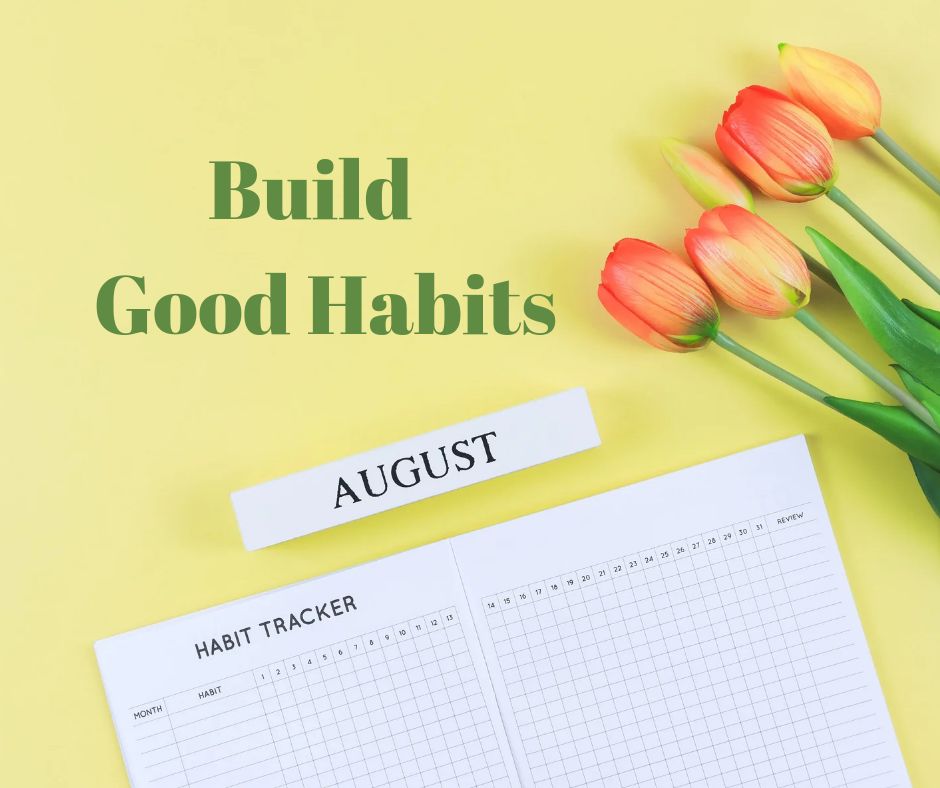
Keep a journal or use an app to track your progress daily. Checking off completed tasks can enhance motivation and provide a sense of accomplishment, which reinforces the habit.
5. Be Consistent
Aim to practice your new habit at the same time and in the same context each day. Consistency helps establish the habit in your brain, making it feel more automatic over time.
6. Use positive reinforcement
Celebrate your successes, no matter how small. Reward yourself for sticking to the habit—this could be as simple as treating yourself to a favorite snack or taking a moment to enjoy a relaxing activity. Positive reinforcement can strengthen your commitment to the habit.
7. Create a Support System
Share your goals with friends, family, or a support group. Having someone to share your journey with can provide encouragement, accountability, and motivation when you feel tempted to give up.
8. Practice Patience and Persistence
Realize that forming a new habit takes time. Research suggests it can take anywhere from 21 to 66 days or more for a habit to become ingrained. Be patient with yourself, and if you miss a day, don’t get discouraged—just get back on track.
9. Visualize Your Success
Take a few moments each day to visualize yourself successfully maintaining your habit. Picture how it will feel and the benefits you will gain. This mental imagery can reinforce your motivation and make the habit feel more achievable.
10. Adjust as Needed
If you find that a particular approach isn’t working for you, be flexible and willing to adjust your strategy. Sometimes, certain aspects of a habit may need to change in order for it to fit better into your lifestyle.
11. Use Habit Stacking
Habit stacking is an effective technique where you pair a new habit with an old one. For example, if you want to meditate and you already brew a cup of coffee every morning, you can stack meditation right after making your coffee.
Conclusion
Using these practical methods, you can develop habits that enhance your life and contribute to your overall goals. Remember, the key to success is to start small, remain consistent, and be kind to yourself throughout the process.
Happy habit-building!

 Bring the inside out